Humanistic & Person-Centred Therapy
A brief origin story
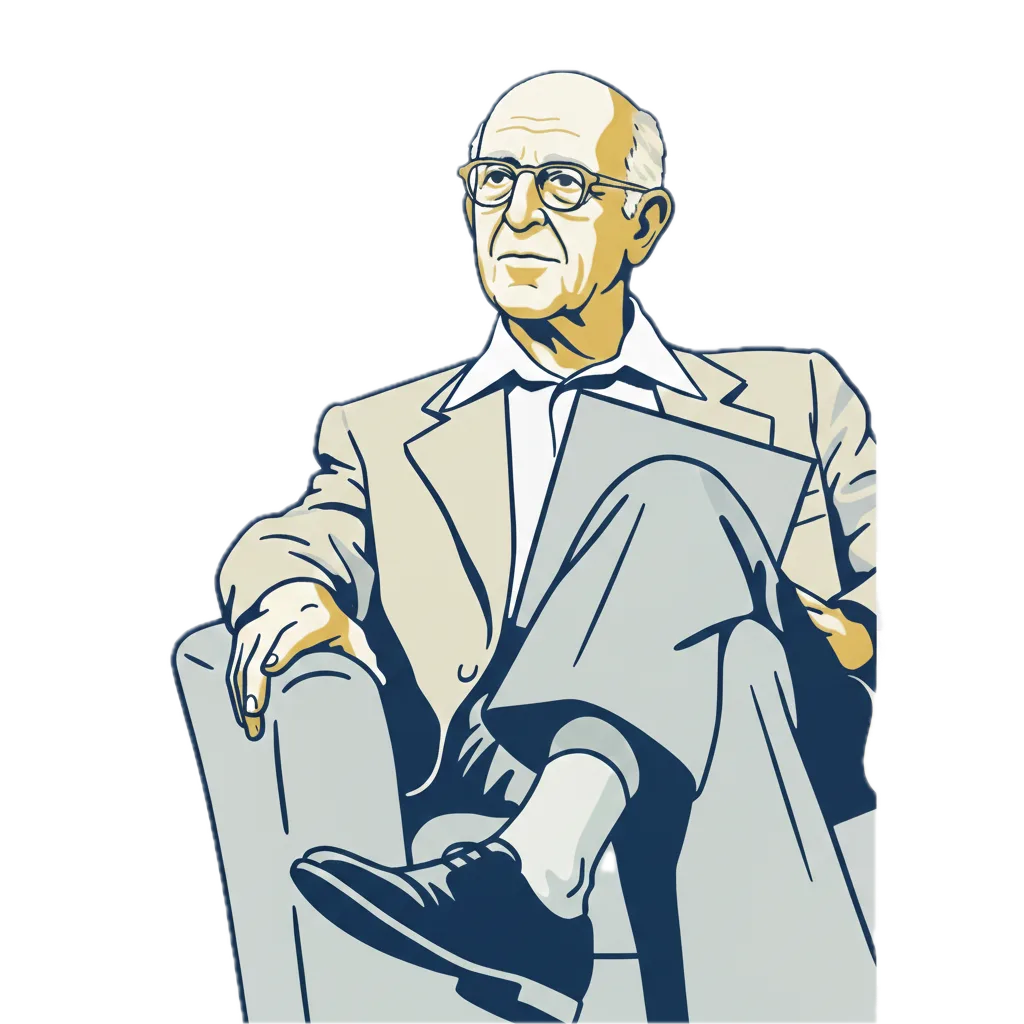
Humanistic and person-centred therapy was developed by Carl Rogers, who believed that people naturally move towards growth when they experience empathy, genuineness, and unconditional positive regard. He became well known not only for his ideas, but also for recorded therapy sessions that let people hear, often for the first time, what a real, respectful therapeutic conversation could sound like.
Rogers shifted psychotherapy away from "treating" or "fixing" people and toward a relational process in which the therapist offers a safe, accepting space and the client's own inner wisdom is trusted. His classic book On Becoming a Person continues to influence therapy, coaching, and education.
How this approach may help you
In humanistic and person-centred therapy, the focus is less on technique and more on the quality of the relationship. You are invited to explore your thoughts, feelings, and experiences at your own pace, in a space where you are not judged or pushed into a mould.
This approach can be especially helpful for self-esteem, emotional difficulties, identity questions, relationship patterns, and personal development. Many people value having a space where they can "be fully themselves" and feel truly listened to.
Sessions often feel
Warm and supportive
Non-judgemental and accepting
Led by your needs and pace
Emotionally grounding
— Carl Rogers
About the author
This page is written and reviewed by Dr Santiago de Ossorno García, Counselling Psychologist, with a Doctorate in Psychology and over 15 years of practice. He is registered with the Health and Care Professions Council in the UK (PYL040507), Chartered with the British Psychological Society and registered with the Colegio Oficial de la Psicología de Madrid (M-25309), and has 27 published works and 134 citations recorded by OpenAlex. He works in English and Spanish, online across the UK and Spain and in person in London and Madrid, using single-session therapy, solution-focused brief therapy, CBT and EMDR. More about Dr Santiago
Ready to Explore This Approach?
Person-centred therapy might be right for you if you're looking for a warm, non-directive space to explore at your own pace.
Start with a free 15-minute consultation, no pressure, no obligation, get to know how person-centred therapy can help you.
 Book Free Consultation