EMDR Therapy
A brief origin story
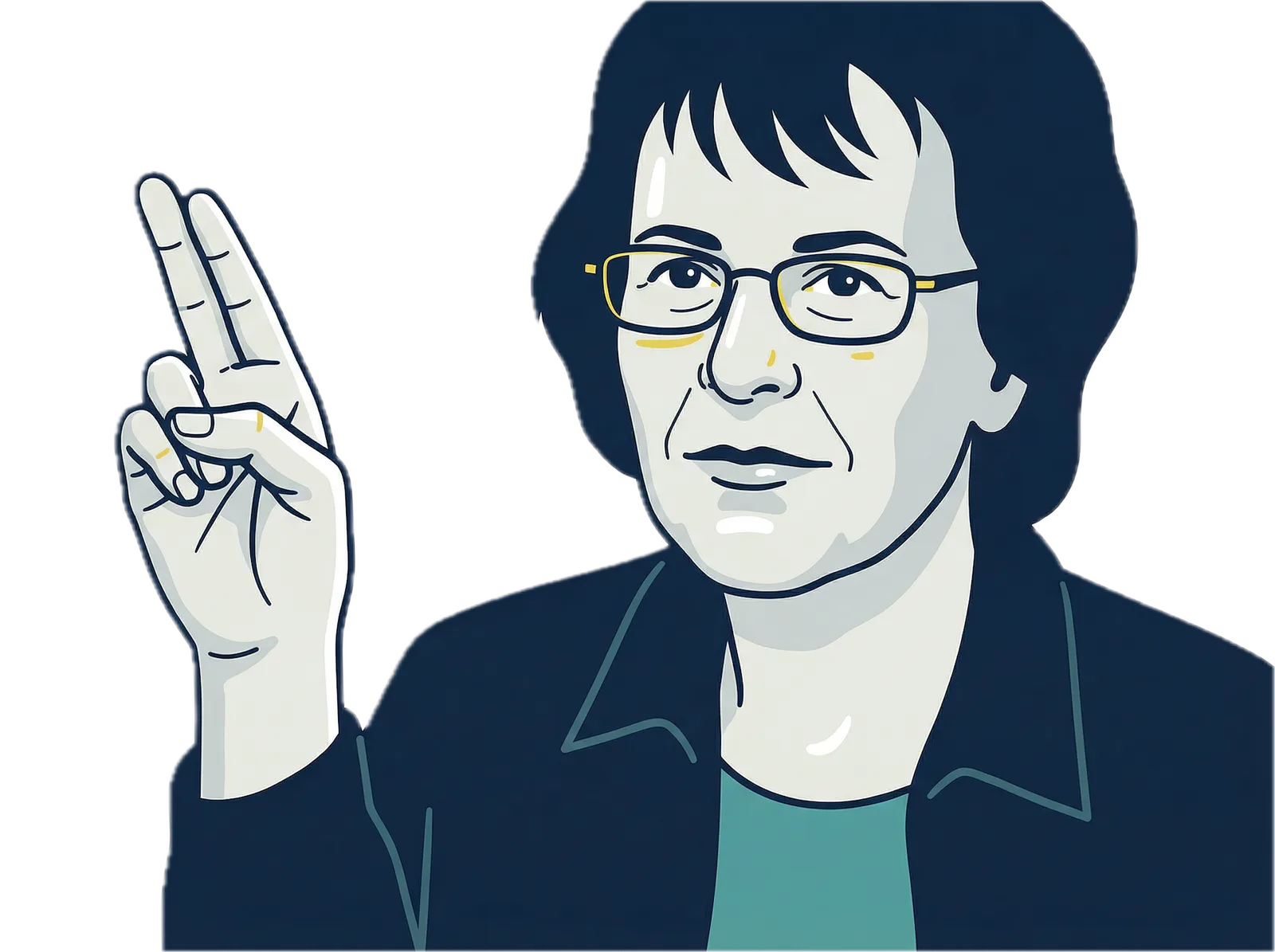
EMDR (Eye Movement Desensitisation and Reprocessing) was developed by psychologist Francine Shapiro in the late 1980s. While walking in a park, she noticed that some of her own distressing thoughts seemed to lose their emotional charge when her eyes moved rapidly from side to side. Intrigued, she began researching this effect with people who had experienced trauma, including veterans, and gradually developed EMDR into a structured treatment.
Her work showed that the brain sometimes stores traumatic memories in a way that leaves them feeling "frozen in time" and easily triggered, and that bilateral stimulation can help the nervous system complete its natural processing.
How EMDR may help you
In EMDR, you are invited to bring to mind aspects of a distressing experience while also engaging in bilateral stimulation, such as guided eye movements, taps, or alternating sounds. Over time, memories usually feel less vivid and less overwhelming, and new, more helpful meanings can emerge.
You do not have to describe your experiences in detail if that feels too difficult. EMDR is commonly used for Post-Traumatic Stress Disorder (PTSD), childhood trauma, accidents, medical trauma, grief, and other overwhelming events.
Sessions often feel
Structured and carefully paced
Contained and supportive
Gentle and not heavily verbal
Often deeply relieving
— Francine Shapiro
About the author
This page is written and reviewed by Dr Santiago de Ossorno García, Counselling Psychologist, with a Doctorate in Psychology and over 15 years of practice. He is registered with the Health and Care Professions Council in the UK (PYL040507), Chartered with the British Psychological Society and registered with the Colegio Oficial de la Psicología de Madrid (M-25309), and has 27 published works and 134 citations recorded by OpenAlex. He works in English and Spanish, online across the UK and Spain and in person in London and Madrid, using single-session therapy, solution-focused brief therapy, CBT and EMDR. More about Dr Santiago
Ready to Explore This Approach?
EMDR might be right for you if you're carrying distressing memories or experiences that still feel intrusive or overwhelming.
Start with a free 15-minute consultation, no pressure, no obligation get to know how EMDR can help you.
 Book Free Consultation